
SALE


Discount Code
Add
Cancel
$0
Freight Shipping Included • Warranty Applies Per Policy

25 mins read | July 24, 2026
Purchasing an outdoor sauna is about much more than adding another feature to your backyard. It's an investment in long-term wellness, daily relaxation, and a lifestyle centered around recovery and spending more time outdoors. Whether you're enjoying a quiet morning sauna before work or ending the day with family, a premium outdoor sauna quickly becomes one of the most frequently used spaces around the home.
Like any premium investment, however, a sauna performs best when it's cared for consistently. Fortunately, outdoor sauna maintenance is far less demanding than many first-time buyers expect. Unlike swimming pools, hot tubs, or outdoor kitchens that often require chemicals, filters, plumbing, or frequent servicing, a traditional outdoor sauna is remarkably simple to maintain. Most maintenance consists of allowing the interior to dry after use, performing light cleaning, and periodically inspecting a handful of components that naturally experience wear over time.
Many homeowners assume maintaining a sauna involves specialized cleaners, expensive treatments, or complicated seasonal routines. In reality, the opposite is true. Premium outdoor saunas are specifically engineered to withstand repeated heating and cooling cycles, changing weather conditions, and years of regular use. With just a few preventative habits, it's entirely possible for a well-built sauna to continue looking beautiful and performing reliably for decades.
Perhaps more importantly, consistent maintenance isn't simply about preserving the appearance of the wood. It also helps maintain heating efficiency, protects the sauna's structural components, improves hygiene, and ensures every sauna session feels just as enjoyable years from now as it did on the day the sauna was installed. Small maintenance habits performed throughout the year often prevent larger issues before they ever develop, making ownership simpler rather than more demanding.
This comprehensive guide explains everything homeowners need to know about outdoor sauna maintenance, including daily cleaning habits, weekly and monthly inspections, caring for Cedar and Hemlock wood, maintaining heaters and sauna stones, preventing moisture issues, seasonal maintenance, and recognizing when professional servicing may be appropriate. Whether you've recently installed your first outdoor sauna or want to improve the way you care for an existing one, the following recommendations will help you protect your investment while enjoying years of dependable performance.
Although this guide covers maintenance in detail, the overall routine is surprisingly straightforward. Most tasks require only a few minutes and become second nature after several sauna sessions. The key is consistency rather than complexity. By dividing maintenance into daily, weekly, monthly, and seasonal routines, homeowners can keep their sauna in excellent condition without dedicating large amounts of time to upkeep.
The table below provides a quick overview of the recommended maintenance schedule.
| Maintenance Task | After Every Use |
Weekly | Monthly | Every 6–12 Months |
Seasonally |
|---|---|---|---|---|---|
| Ventilate the sauna | ✓ | ||||
| Wipe benches | ✓ | ||||
| Remove wet towels & accessories | ✓ | ||||
| Sweep or vacuum flooring | ✓ | ||||
| Clean glass | ✓ | ||||
| Inspect ventilation openings | ✓ | ||||
| Deep clean interior wood | ✓ | ||||
| Tighten visible hardware | ✓ | ||||
| Inspect heater | ✓ | ||||
| Inspect or rotate sauna stones | ✓ | ||||
| Inspect roof & exterior | ✓ |
Rather than viewing this schedule as a checklist of chores, it's better to think of it as a preventative care plan. Completing these small maintenance tasks throughout the year significantly reduces the likelihood of larger issues while preserving your sauna's appearance, efficiency, and long-term performance.
The majority of sauna maintenance happens immediately after each session, and fortunately, these habits require very little time. Developing a consistent post-sauna routine helps preserve the interior while reducing the need for more intensive cleaning later.
These simple habits typically take less than five minutes to complete, yet they contribute more to the long-term preservation of your outdoor sauna than occasional deep-cleaning sessions alone.
It's easy to assume that outdoor sauna maintenance is primarily about keeping the sauna looking clean, but its importance extends much further. A properly maintained outdoor sauna not only retains its visual appeal but also continues to deliver the comfortable, consistent experience homeowners expect every time they step inside.
Wood is exceptionally durable, but it remains a natural material that responds to changes in temperature and humidity. During normal sauna use, the interior repeatedly cycles from room temperature to nearly 200°F before cooling again after each session. Outdoors, the structure is also exposed to rain, sunlight, snow, wind, and seasonal temperature fluctuations throughout the year. Premium sauna woods such as Cedar and Hemlock are selected because they perform exceptionally well under these demanding conditions, but routine maintenance helps them continue looking and performing their best for decades.
Regular maintenance also plays an important role in heating performance. Clean ventilation openings, properly arranged sauna stones, and an unobstructed heater help maintain consistent temperatures while improving overall energy efficiency. Minor issues such as accumulated dust, restricted airflow, or deteriorated sauna stones may seem insignificant at first, but over time they can gradually reduce heater performance if left unaddressed.
Routine care also supports a cleaner and more enjoyable sauna environment. Removing perspiration, body oils, and excess moisture after regular use helps preserve the fresh atmosphere that makes every sauna session comfortable. Instead of allowing residue to build over months or years, simple cleaning habits keep the interior looking clean without the need for harsh chemicals or extensive scrubbing.
When performed consistently, outdoor sauna maintenance provides benefits that extend well beyond preserving the sauna's appearance.
Perhaps the greatest benefit is peace of mind. Knowing your outdoor sauna is clean, operating efficiently, and ready whenever you are allows you to focus entirely on relaxation, recovery, and wellness instead of worrying about maintenance.
One of the unique aspects of owning an outdoor sauna is that maintenance naturally changes with the seasons. Unlike indoor appliances that operate under relatively stable conditions, an outdoor sauna experiences everything from intense summer sunlight to heavy rainfall, falling autumn leaves, and freezing winter temperatures. Fortunately, premium outdoor saunas are engineered specifically for year-round use, and adapting your maintenance routine throughout the year requires only minor adjustments.
Spring often serves as the ideal time for a comprehensive inspection. After winter weather, homeowners can clean the exterior, inspect the roof, remove accumulated debris, verify drainage around the foundation, and perform a more thorough interior cleaning. This seasonal reset prepares the sauna for increased use during the warmer months while ensuring every major component remains in excellent condition.
Summer maintenance generally focuses on cleanliness and ventilation. Increased pollen, insects, dust, and more frequent sauna sessions naturally lead to faster accumulation of surface debris. Keeping the glass clean, trimming nearby landscaping, and maintaining good airflow around the exterior help preserve both the sauna's appearance and overall performance.
As autumn arrives, attention shifts toward leaves, pine needles, and organic debris that can collect on the roof and around the foundation. Removing this material regularly helps maintain proper drainage while reducing unnecessary moisture against exterior surfaces before winter weather begins.
Winter maintenance is often simpler than many homeowners expect. Outdoor saunas are specifically designed to operate in cold climates, and many owners consider winter to be their favorite season for sauna bathing. Aside from keeping walkways safe, monitoring unusually heavy snow accumulation where applicable, and continuing normal post-session drying practices, very little additional maintenance is required.
Although your routine remains largely the same throughout the year, each season presents a slightly different maintenance focus.
| Season | Primary Maintenance Priorities |
|---|---|
| Spring | Deep cleaning, roof inspection, exterior wash, drainage check. |
| Summer | Ventilation, glass cleaning, pollen removal, and landscaping maintenance. |
| Autumn | Remove leaves, inspect weather seals, and clear roof debris. |
| Winter | Snow management, walkway safety, and continued ventilation after each session. |
Understanding these seasonal priorities makes outdoor sauna maintenance feel far more manageable. Rather than completing large maintenance projects all at once, homeowners simply adapt a few small tasks throughout the year while continuing the same daily, weekly, and monthly routines.
In the next section, we'll take a closer look at the simple daily, weekly, and monthly maintenance habits that have the greatest impact on the longevity and performance of an outdoor sauna.
One of the biggest misconceptions about outdoor sauna maintenance is that it requires a significant time commitment. In reality, the opposite is true. Most premium outdoor saunas remain in excellent condition because owners spend just a few minutes caring for them after each session. These simple habits become part of the sauna experience itself, helping preserve the wood, maintain cleanliness, and ensure the sauna is ready for the next use.
Daily maintenance isn't about deep cleaning after every session. Instead, it's focused on managing moisture, removing light surface residue, and allowing the sauna to recover naturally after being exposed to high temperatures and humidity. When performed consistently, these small tasks dramatically reduce the amount of weekly and monthly maintenance required while extending the lifespan of every major component.
The goal isn't perfection after every use—it's creating a simple routine that prevents minor issues from becoming larger ones.
Every sauna session should end with a few quick maintenance habits that together take less than five minutes.
| Daily Task | Why It Matters |
|---|---|
| Ventilate the sauna | Removes warm, humid air and allows the interior to dry naturally. |
| Wipe benches | Removes perspiration and body oils before they accumulate. |
| Remove wet towels and accessories | Prevents unnecessary humidity inside the cabin. |
| Check for standing water | Helps protect flooring and keeps the sauna clean. |
| Perform a quick visual inspection | Allows small issues to be identified before they become repairs. |
Although these tasks are simple, they collectively have the greatest influence on the long-term condition, performance, and appearance of your outdoor sauna.
The single most important maintenance habit is allowing the sauna to dry properly after every session.
Once the heater has been switched off, the interior remains warm while moisture continues evaporating from the benches, walls, flooring, and sauna stones. Closing the door immediately traps this humid air inside the cabin, slowing the drying process and exposing the wood to elevated moisture for longer than necessary.
Instead, leave the sauna door partially open for approximately 15 to 30 minutes whenever weather conditions permit. This encourages fresh air to circulate naturally while allowing excess humidity to escape.
Proper drying provides several long-term advantages:
Although this step requires almost no effort, it's widely considered the most valuable habit in any outdoor sauna maintenance routine.
The benches are the most frequently used part of any sauna, making them the first area that deserves attention after every session.
Even when towels are used consistently, small amounts of perspiration, body oils, and moisture naturally remain on the seating surfaces. If left untouched over time, these residues gradually accumulate and may require more intensive cleaning later.
Fortunately, removing them is remarkably simple.
Using a clean microfiber cloth or soft cotton towel, gently wipe the benches, backrests, and any other frequently touched surfaces. In most cases, warm water is all that's needed for routine maintenance.
Avoid the temptation to use household cleaning sprays after every sauna session. Harsh chemicals are unnecessary for everyday care and may leave behind residues that become noticeable once the sauna is heated again.
By spending less than a minute wiping the benches, homeowners preserve both the appearance of the wood and the inviting atmosphere that makes the sauna enjoyable to use.
One of the easiest maintenance habits to overlook is removing damp accessories before leaving the sauna.
Wet towels, robes, water buckets, and other accessories continue releasing moisture into the cabin long after the heater has been turned off. While premium outdoor saunas are designed to handle humidity during use, there's little benefit to trapping additional moisture inside once the session has ended.
After each use, take a moment to remove:
These small habits improve airflow while helping the interior dry faster between sessions.
Although traditional Finnish saunas use relatively little water, occasional splashes from pouring water over the sauna stones or stepping inside with damp feet may leave small amounts of moisture on the floor.
Before leaving the sauna, perform a quick inspection of the flooring.
If you notice standing water, simply wipe it away with a towel or allow it to drain naturally if your sauna includes a floor drain. While occasional moisture isn't harmful, removing puddles helps preserve the appearance of the flooring while reducing the amount of dirt that can collect on damp surfaces.
This quick habit also keeps the sauna cleaner overall, making weekly maintenance considerably easier.
One of the most valuable aspects of daily maintenance has nothing to do with cleaning.
Instead, it's simply becoming familiar with how your sauna normally looks.
As you leave the sauna, spend a few seconds observing the interior. Check that the heater remains unobstructed, the benches appear clean, the ventilation openings are clear, and the door closes smoothly.
These quick observations often identify small concerns long before they develop into more significant repairs.
For example, you may notice:
Preventative maintenance is rarely about performing complicated repairs. More often, it's about recognizing small changes early enough that they're simple to address.
While daily maintenance focuses on post-session care, weekly maintenance provides an opportunity to clean the sauna more thoroughly and inspect the components that experience gradual wear throughout normal use.
Outdoor saunas naturally collect dust, pollen, insects, leaves, and airborne debris, even when used carefully. A brief weekly cleaning session helps prevent these materials from accumulating while preserving both the appearance and performance of the sauna.
Most homeowners can complete their weekly maintenance routine in approximately 15 to 20 minutes.
| Weekly Task | Purpose |
|---|---|
| Sweep or vacuum flooring | Removes dirt, leaves, dust, and debris. |
| Clean glass panels | Restores visibility and improves appearance. |
| Inspect ventilation openings | Maintains healthy airflow. |
| Dust accessories | Keeps the interior clean and reduces airborne particles. |
| Inspect heater area | Confirms proper clearance and cleanliness. |
By completing these tasks consistently, homeowners rarely encounter major maintenance issues later while helping their outdoor sauna remain clean, efficient, and ready for every session.
The floor experiences more wear than almost any other part of the sauna.
Every visit introduces dust, dirt, leaves, grass, or sand from outside, particularly if the sauna is located within an active backyard or garden. Left unattended, this debris gradually accumulates beneath benches and around corners.
Using a soft broom or vacuum with a brush attachment, clean the entire floor area while paying special attention to:
Removing debris regularly helps preserve cleanliness while preventing abrasive dirt from gradually wearing the wood over time.
Modern outdoor saunas frequently feature expansive glass panels that create an open, luxurious atmosphere while connecting the interior with the surrounding landscape.
Unfortunately, glass also reveals fingerprints, pollen, dust, and water spots much sooner than wood surfaces.
Once each week, clean the glass using a microfiber cloth together with a mild glass cleaner.
For the best results:
Clean glass not only enhances the appearance of the sauna but also allows more natural light into the interior, creating a brighter and more enjoyable sauna experience.
Good ventilation is essential to every traditional sauna.
Fresh air enters through intake vents while warm, humid air exits through exhaust vents, supporting both comfortable sauna bathing and efficient drying after every session.
During your weekly maintenance routine, inspect ventilation openings for:
Removing these small obstructions takes only a minute or two but helps maintain unrestricted airflow throughout the cabin.
Accessories often receive less attention than benches or flooring, yet they gradually collect dust just like every other interior surface.
Take a few minutes to wipe:
Use a dry or lightly damp microfiber cloth while avoiding excessive moisture around electrical components.
This simple cleaning helps maintain the premium appearance of the sauna while reducing airborne dust during heating.
Although sauna heaters require relatively little routine maintenance, they should be visually inspected each week.
Rather than servicing the heater itself, simply confirm that:
These quick inspections help establish a baseline for future maintenance while encouraging safe and efficient operation throughout the year.
Monthly maintenance shifts the focus from everyday cleanliness toward long-term preservation. Instead of simply removing dust or moisture, these inspections allow homeowners to monitor the condition of the sauna as a complete system while identifying normal wear before it develops into larger repairs.
Fortunately, monthly maintenance is still relatively simple and can usually be completed in less than an hour.
| Monthly Task | Purpose |
|---|---|
| Deep clean wood | Removes accumulated oils and residue. |
| Inspect benches and walls | Identifies normal wear or damage. |
| Tighten hardware | Maintains structural stability. |
| Test lighting and controls | Confirms proper operation. |
| Evaluate overall condition | Identifies changes early. |
Completing these inspections once each month helps preserve both the appearance and performance of your outdoor sauna for many years.
Even with excellent daily maintenance habits, microscopic layers of perspiration, body oils, and dust gradually accumulate on interior wood surfaces.
Once each month, clean the benches, walls, backrests, and other exposed wood using warm water together with a microfiber cloth. Areas that receive heavier use may benefit from gentle scrubbing with a soft nylon brush.
The objective isn't to soak the wood but simply to remove accumulated residue while preserving its natural appearance and texture.
After cleaning, leave the sauna door partially open until every interior surface has dried completely before closing the cabin.
Monthly cleaning also provides an excellent opportunity to become familiar with how the wood naturally ages.
Look for normal changes such as:
These characteristics are usually normal and rarely affect the structural integrity of premium Cedar or Hemlock. Understanding what natural aging looks like makes it easier to recognize genuine maintenance concerns should they ever arise.
Finally, inspect the components that keep the sauna operating smoothly.
Confirm that:
These inspections require only a few minutes but help maintain the premium ownership experience homeowners expect from a high-quality outdoor sauna.
As we'll see next, maintaining the individual components—including the wood, benches, heater, sauna stones, roof, and exterior—helps ensure every part of the sauna continues performing beautifully throughout every season.
One of the most common questions homeowners ask after purchasing an outdoor sauna is whether different wood species require different maintenance routines. Since premium outdoor saunas are commonly built from Western Red Cedar, Hemlock, or Thermo Spruce, it's understandable to assume each material demands specialized care.
Fortunately, that's rarely the case.
Regardless of the wood species, the fundamentals of outdoor sauna maintenance remain the same. Keeping the sauna clean, allowing it to dry after each session, maintaining proper ventilation, and performing regular inspections have a far greater impact on longevity than any specific wood treatment.
Where the wood species does differ is in how it naturally ages. Cedar gradually develops a rich silver-gray patina when exposed to the elements, while Hemlock typically maintains a lighter appearance with more subtle color changes. Understanding these characteristics helps homeowners appreciate the natural evolution of the wood rather than mistaking normal aging for damage.
The good news is that both Cedar and Hemlock are selected specifically because they perform exceptionally well in demanding outdoor environments, making maintenance straightforward regardless of which option you choose.
Although their maintenance routines are remarkably similar, understanding the natural characteristics of each wood helps homeowners know what to expect over time.
| Feature | Western Red Cedar | Hemlock |
|---|---|---|
| Natural resistance to moisture | Excellent | Excellent |
| Natural aroma | Strong, distinctive cedar scent | Mild, subtle aroma |
| Weathering over time | Develops a silver-gray patina | Gradually lightens with age |
| Interior maintenance | Very low | Very low |
| Exterior wood protectant optional | Yes | Yes |
| Recommended interior finish | None | None |
As the table illustrates, neither wood requires complicated maintenance. Instead, consistent cleaning, proper ventilation, and routine inspections remain the most important factors in preserving both materials for decades of reliable outdoor use.
Western Red Cedar has earned its reputation as one of the finest materials for traditional outdoor saunas. Its naturally occurring oils help resist moisture while contributing to the unmistakable cedar aroma that many sauna enthusiasts appreciate.
One of Cedar's greatest advantages is that it requires remarkably little intervention from the homeowner. Interior surfaces generally remain unfinished, allowing the wood to breathe naturally while absorbing and releasing moisture during every heating cycle.
Daily and monthly cleaning routines are typically all that's required to preserve the wood's appearance. Wiping benches after each session, allowing the cabin to ventilate, and performing occasional deep cleaning help maintain Cedar's natural beauty without the need for stains or protective coatings inside the sauna.
Homeowners should also expect the exterior to change color over time. Continuous exposure to sunlight gradually transforms Cedar's warm reddish-brown tones into a soft silver-gray finish. This weathering process is completely natural and does not indicate that the wood is deteriorating.
Some homeowners enjoy this aged appearance, while others prefer preserving the original color using manufacturer-approved exterior wood treatments. Either choice is largely cosmetic and has little impact on the structural performance of the sauna.
To keep a Cedar outdoor sauna looking its best, focus on a few simple maintenance habits.
These straightforward practices allow Cedar to maintain its premium appearance while continuing to perform exceptionally well year after year.
Hemlock has become increasingly popular in modern outdoor sauna designs thanks to its clean appearance, smooth grain, and bright interior color. It offers excellent dimensional stability while creating a lighter, more contemporary aesthetic that complements a wide variety of backyard settings.
From a maintenance standpoint, Hemlock follows virtually the same routine as Cedar.
Daily ventilation, regular cleaning, and periodic inspections remain the foundation of long-term care. The primary difference is visual rather than structural.
Because Hemlock is naturally lighter in color, dust, perspiration, and everyday residue may become visible sooner than they would on darker woods. Fortunately, these surface marks are typically removed easily during routine monthly cleaning.
Like Cedar, Hemlock should generally remain unfinished on the interior. Paints, varnishes, and heavy sealants interfere with the wood's natural ability to regulate moisture while potentially producing odors when exposed to sauna temperatures.
With consistent care, Hemlock maintains its elegant appearance while providing decades of dependable performance.
Homeowners can preserve Hemlock's clean appearance by incorporating several simple habits into their maintenance routine.
When cared for consistently, Hemlock offers the same outstanding longevity expected from any premium outdoor sauna.
Western Red Cedar has earned its reputation as one of the finest materials for traditional outdoor saunas. Its naturally occurring oils help resist moisture while contributing to the unmistakable cedar aroma that many sauna enthusiasts appreciate.
One of Cedar's greatest advantages is that it requires remarkably little intervention from the homeowner. Interior surfaces generally remain unfinished, allowing the wood to breathe naturally while absorbing and releasing moisture during every heating cycle.
Daily and monthly cleaning routines are typically all that's required to preserve the wood's appearance. Wiping benches after each session, allowing the cabin to ventilate, and performing occasional deep cleaning help maintain Cedar's natural beauty without the need for stains or protective coatings inside the sauna.
Homeowners should also expect the exterior to change color over time. Continuous exposure to sunlight gradually transforms Cedar's warm reddish-brown tones into a soft silver-gray finish. This weathering process is completely natural and does not indicate that the wood is deteriorating.
Some homeowners enjoy this aged appearance, while others prefer preserving the original color using manufacturer-approved exterior wood treatments. Either choice is largely cosmetic and has little impact on the structural performance of the sauna.
To keep a Cedar outdoor sauna looking its best, focus on a few simple maintenance habits.
These straightforward practices allow Cedar to maintain its premium appearance while continuing to perform exceptionally well year after year.
Hemlock has become increasingly popular in modern outdoor sauna designs thanks to its clean appearance, smooth grain, and bright interior color. It offers excellent dimensional stability while creating a lighter, more contemporary aesthetic that complements a wide variety of backyard settings.
From a maintenance standpoint, Hemlock follows virtually the same routine as Cedar.
Daily ventilation, regular cleaning, and periodic inspections remain the foundation of long-term care. The primary difference is visual rather than structural.
Because Hemlock is naturally lighter in color, dust, perspiration, and everyday residue may become visible sooner than they would on darker woods. Fortunately, these surface marks are typically removed easily during routine monthly cleaning.
Like Cedar, Hemlock should generally remain unfinished on the interior. Paints, varnishes, and heavy sealants interfere with the wood's natural ability to regulate moisture while potentially producing odors when exposed to sauna temperatures.
With consistent care, Hemlock maintains its elegant appearance while providing decades of dependable performance.
Homeowners can preserve Hemlock's clean appearance by incorporating several simple habits into their maintenance routine.
When cared for consistently, Hemlock offers the same outstanding longevity expected from any premium outdoor sauna.
When comparing Cedar and Hemlock, it's easy to focus on their visual differences. Cedar offers richer color and a distinctive fragrance, while Hemlock creates a brighter, cleaner aesthetic with a more subtle aroma.
From a maintenance perspective, however, those differences are relatively minor.
Both materials are selected specifically because they tolerate repeated heating cycles, changing humidity, and year-round outdoor exposure exceptionally well. Neither requires complicated maintenance schedules, frequent refinishing, or expensive preservation treatments.
Ultimately, consistency matters far more than wood species. A Hemlock sauna that receives routine care will almost always outperform a neglected Cedar sauna, just as a properly maintained Cedar sauna can continue looking beautiful for decades.
For most homeowners, developing reliable maintenance habits is considerably more important than the specific type of wood used to build the sauna.
If the heater is the heart of the sauna, the benches are where the experience truly comes to life. Every sauna session involves direct contact with the benches, making them one of the most frequently used components inside the cabin.
Because of this, benches naturally receive the greatest exposure to perspiration, body oils, moisture, and everyday wear. Fortunately, maintaining them is one of the simplest aspects of outdoor sauna maintenance.
Rather than requiring specialized cleaners or protective finishes, sauna benches benefit most from regular cleaning and proper ventilation.
Although sauna wood is remarkably durable, repeated use gradually leaves behind microscopic layers of perspiration and natural body oils. Over time, this buildup may slightly darken frequently used seating areas if it isn't removed through routine maintenance.
Keeping the benches clean offers several long-term advantages.
| Benefit | Why It Matters |
|---|---|
| Improves hygiene | Removes perspiration and surface oils after regular use. |
| Preserves wood appearance | Helps prevent uneven discoloration and keeps the wood looking its best over time. |
| Reduces deep cleaning | Routine wiping minimizes long-term buildup and makes monthly cleaning easier. |
| Enhances comfort | Clean benches create a fresher, more enjoyable sauna experience. |
Regular maintenance doesn't prevent the wood from aging naturally—it simply allows it to age gracefully.
Fortunately, cleaning sauna benches requires very little effort.
After each sauna session, wipe the seating surfaces using a microfiber cloth and warm water. This removes light residue before it has an opportunity to penetrate the wood.
Once each month, perform a more thorough cleaning using a soft nylon brush on areas that receive heavier use. Gentle brushing lifts accumulated dirt from the grain without damaging the surface.
Avoid products such as bleach, ammonia, chlorine-based cleaners, furniture polish, or abrasive scrub pads. These products provide no real benefit inside a sauna and may damage unfinished wood or leave behind chemical residues that become noticeable when the sauna is heated.
Instead, simple, consistent cleaning remains the most effective long-term strategy for preserving both the appearance and comfort of your sauna benches.
Several everyday habits significantly reduce long-term maintenance while helping preserve the appearance and longevity of your sauna benches.
These simple habits help preserve the comfort, appearance, and longevity of one of the sauna's most frequently used features while minimizing the need for intensive cleaning later.
Although benches receive most of the attention, the floor quietly experiences some of the greatest daily wear.
Every visit introduces dirt, dust, leaves, grass, sand, and occasional moisture into the sauna. Left unattended, these materials accumulate beneath benches and around entryways, gradually reducing the clean, welcoming environment homeowners expect from a premium sauna.
Fortunately, floor maintenance is quick and uncomplicated.
| Task | Frequency |
|---|---|
| Sweep or vacuum | Weekly |
| Remove standing water | After every use |
| Deep clean beneath duckboards | Monthly |
| Inspect flooring | Monthly |
Weekly sweeping removes loose debris before it becomes embedded in the flooring, while monthly cleaning beneath removable duckboards improves airflow and eliminates hidden dust accumulation.
Whenever standing water is present, wipe it away promptly or allow it to drain naturally if your sauna includes a floor drain.
Although premium sauna flooring is designed to tolerate moisture, reducing unnecessary water exposure helps preserve both appearance and cleanliness over the long term.
Glass has become one of the defining design features of modern outdoor saunas. Large panoramic windows and full-glass doors create a brighter interior while connecting the sauna to the surrounding landscape.
Because glass naturally highlights fingerprints, dust, pollen, and water spots, it benefits from regular attention.
Fortunately, maintenance requires only a few minutes each week.
Clean the glass using a microfiber cloth together with a gentle glass cleaner, applying the cleaner directly to the cloth rather than spraying the glass excessively. This simple approach minimizes contact with surrounding wood while producing a streak-free finish.
Maintaining clean glass not only improves aesthetics but also allows more natural light into the sauna, enhancing the overall experience.
The exterior of an outdoor sauna faces constant exposure to sunlight, rain, snow, wind, pollen, and changing temperatures throughout the year. While premium outdoor saunas are engineered specifically for these conditions, a little preventative care helps preserve both appearance and long-term durability.
Exterior maintenance focuses less on repairing the sauna and more on keeping it clean while preventing unnecessary moisture accumulation.
| Exterior Area | Recommended Care |
|---|---|
| Exterior walls | Wash periodically with water and a soft brush |
| Landscaping | Trim vegetation away from the sauna |
| Foundation area | Keep clear of leaves and debris |
| Drainage | Ensure water flows away from the structure |
Using a garden hose together with a soft brush is usually all that's needed for routine cleaning.
Pressure washers should generally be avoided because they can damage wood fibers, remove protective exterior finishes, and force water deeper into the structure.
Regularly trimming nearby shrubs and removing leaves from around the base of the sauna also improves airflow while reducing unnecessary moisture against the exterior walls.
The roof quietly protects every other component of the sauna, making it one of the most important structural elements to inspect throughout the year.
Fortunately, roof maintenance is relatively infrequent.
Most homeowners only need to inspect the roof thoroughly during spring and autumn while remaining mindful of unusually heavy snow accumulation during winter in colder climates.
| Inspection Item | Purpose |
|---|---|
| Remove leaves and branches | Promotes proper drainage |
| Inspect flashing and seams | Identifies weather-related wear |
| Check visible fasteners | Confirms structural stability |
| Monitor snow accumulation | Prevents excessive roof loading |
| Verify drainage around foundation | Reduces standing moisture |
These inspections generally require very little time but provide significant long-term protection for the sauna.
Rather than waiting for visible problems to appear, routine observation allows homeowners to identify small maintenance needs while they remain simple and inexpensive to address.
As we'll see in the next section, maintaining the heater, sauna stones, ventilation, and electrical systems is equally important for preserving both safety and long-term performance.
The heater is the centerpiece of every traditional outdoor sauna. While the wood creates the atmosphere and the overall structure provides comfort, it's the heater that delivers the consistent temperatures necessary for an authentic sauna experience. Whether your sauna is equipped with a standard electric heater or a premium Wi-Fi-enabled model, proper maintenance helps ensure efficient heating, consistent performance, and many years of reliable operation.
Fortunately, modern electric sauna heaters require very little ongoing maintenance. Unlike furnaces or HVAC systems, there are no filters to replace or burners to clean. Instead, maintenance focuses on keeping the heater unobstructed, monitoring its performance, and periodically inspecting the surrounding components.
Rather than waiting for problems to develop, a few preventative habits throughout the year will help maximize the lifespan of both the heater and the sauna itself.
| Maintenance Task | Frequency | Purpose |
|---|---|---|
| Inspect heater area | Weekly | Ensure proper airflow and safety clearance |
| Check heating performance | Monthly | Identify changes in heat-up time or temperature consistency |
| Inspect controls | Monthly | Confirm proper operation of the control panel |
| Clean around heater | Monthly | Remove dust and debris |
| Inspect electrical components | Annually or as needed | Professional safety inspection |
By incorporating these inspections into your regular maintenance schedule, most heaters will continue operating efficiently for many years with very little intervention.
Every sauna heater depends on unrestricted airflow to operate efficiently.
During normal use, it's easy for buckets, towels, brushes, or other accessories to gradually end up closer to the heater than intended. While this may seem harmless, blocking airflow around the heater can reduce heating efficiency while also creating unnecessary safety concerns.
As part of your weekly maintenance routine, verify that the heater remains completely clear of any stored items.
A few simple habits make a significant difference.
These simple inspections require less than a minute but contribute significantly to both safety and long-term heater performance.
One advantage of using your sauna regularly is that you naturally become familiar with how it normally performs.
Most premium electric heaters produce consistent heating times from one session to the next. If that pattern begins to change, it's often the first indication that routine maintenance may be required.
Rather than focusing on exact temperatures, pay attention to overall consistency.
| Observation | Possible Cause |
|---|---|
| Longer heat-up time | Aging sauna stones or restricted airflow |
| Uneven temperature | Stone arrangement or ventilation issue |
| Heater cycles more frequently | Normal operation or airflow restriction |
| Unusual noises | Loose stones or debris around heater |
These observations don't necessarily indicate a malfunction, but they provide valuable early warning signs that allow homeowners to investigate before performance declines further.
Modern outdoor saunas frequently include digital controllers, Wi-Fi connectivity, programmable timers, and integrated lighting controls that make operation remarkably convenient.
Although these systems require little maintenance, they should still be inspected periodically.
During your monthly maintenance routine, confirm that:
These quick inspections help identify potential issues while they're still minor and easy to address.
While homeowners can safely perform routine inspections, electrical servicing should always be left to qualified professionals.
If you notice persistent error messages, unusual electrical odors, visible wiring damage, or repeated heating problems, discontinue use until the heater has been inspected by a licensed electrician or the manufacturer's service department.
Attempting to disassemble or repair electrical heating equipment yourself may create unnecessary safety risks and could affect warranty coverage.
Routine visual inspections combined with occasional professional servicing provide the best balance between preventative maintenance and long-term reliability.
Although the heater generates the heat, the sauna stones determine how that heat is distributed throughout the cabin. They absorb thermal energy, store it efficiently, and create the gentle steam produced when water is poured over them.
Because the stones experience repeated heating and cooling cycles, they gradually wear over time. Fortunately, maintaining them is relatively simple and only needs to be performed occasionally.
Regular stone maintenance helps preserve airflow through the heater while maintaining the comfortable, even heat expected from a traditional Finnish-style sauna.
| Maintenance Task | Recommended Frequency |
|---|---|
| Visual inspection | Every 6–12 months |
| Remove dust and fragments | During inspection |
| Rearrange stones | Every inspection |
| Replace damaged stones | As needed |
Unlike many maintenance tasks, stone care is based more on usage than on strict calendar dates. Saunas used several times each week may require slightly more frequent inspections than those used only occasionally.
Begin by allowing the heater to cool completely before touching any stones.
Once cool, carefully remove them and inspect for obvious signs of wear. Small surface imperfections are perfectly normal, but stones that have fractured into multiple pieces or begun crumbling should be replaced.
While the stones are removed, take the opportunity to clean any small fragments or accumulated dust that may have collected inside the heater housing.
During your inspection, look for:
Replacing a few worn stones periodically helps maintain efficient heater operation while reducing unnecessary stress on the heating elements.
One of the most common maintenance mistakes is packing sauna stones too tightly.
The heater depends on open spaces between the stones to allow heated air to circulate efficiently. Compressing the stones together restricts airflow, reducing heating performance while forcing the heating elements to work harder.
Instead, arrange the stones loosely and naturally.
The goal isn't to create a perfectly uniform arrangement but rather one that allows air to move freely throughout the heater while still supporting the stones securely.
Following the manufacturer's recommended stacking method always provides the best long-term performance.
Proper ventilation is one of the most overlooked aspects of outdoor sauna maintenance, yet it influences nearly every part of the sauna experience. Good airflow improves heating consistency, supports healthier indoor air, accelerates drying after every session, and helps preserve the natural beauty of the wood.
Without effective ventilation, warm humid air remains trapped inside the cabin longer than necessary, slowing the drying process and exposing interior surfaces to unnecessary moisture.
Fortunately, ventilation maintenance is remarkably simple.
| Benefit | Why It Matters |
|---|---|
| Faster drying | Reduces prolonged moisture exposure |
| Better air quality | Keeps fresh air circulating during use |
| Improved heater efficiency | Supports even heat distribution |
| Healthier wood | Helps benches and walls dry naturally |
These benefits explain why proper ventilation remains one of the most important aspects of long-term sauna care.
Vent maintenance usually requires only a few minutes each week.
Inspect intake and exhaust vents for common obstructions such as:
A soft brush or vacuum attachment is usually all that's needed to restore unrestricted airflow.
Avoid intentionally covering ventilation openings unless specifically instructed by the manufacturer, as doing so may negatively affect both heater performance and moisture management.
Beyond the heater itself, many premium outdoor saunas now include LED lighting, Bluetooth speakers, digital controls, and Wi-Fi connectivity that enhance the overall ownership experience.
These systems require relatively little maintenance but should still be included in your regular inspection routine.
| Component | What To Check |
|---|---|
| Control panel | Responds correctly to commands |
| LED lighting | Operates consistently |
| Bluetooth speakers | Clear sound without interruptions |
| Wi-Fi controls | Stable connection |
| Visible wiring | No damage or discoloration |
Most homeowners will rarely encounter electrical problems, but these quick inspections provide valuable peace of mind while helping identify issues early.
If you notice exposed wiring, unusual odors, scorch marks, or repeated control errors, discontinue use until the sauna has been inspected by a qualified professional.
One of the most common concerns among prospective sauna owners is whether repeated exposure to heat and humidity will eventually lead to mold or mildew.
Fortunately, premium outdoor saunas are specifically designed to manage moisture effectively. When used correctly, serious mold problems are relatively uncommon.
The key isn't applying chemical treatments or specialized products—it's allowing the sauna to dry naturally after every use.
The following habits provide the greatest protection against unnecessary moisture buildup.
When these habits become part of your regular routine, moisture management largely takes care of itself.
Although daily, weekly, and monthly maintenance form the foundation of sauna care, every season introduces slightly different maintenance priorities.
Fortunately, adapting your routine throughout the year requires only a few small adjustments.
| Season | Primary Maintenance Focus |
|---|---|
| Spring | Deep cleaning, roof inspection, drainage |
| Summer | Ventilation, pollen removal, landscaping |
| Autumn | Leaves, roof debris, weather seals |
| Winter | Snow management, walkways, ventilation |
This seasonal rhythm helps distribute maintenance naturally throughout the year rather than concentrating it into one large project.
Spring is often the ideal time for the most comprehensive inspection of the year.
After months of winter weather, clean the exterior thoroughly, inspect the roof, remove accumulated debris, verify proper drainage around the foundation, and perform a deeper interior cleaning.
It's also an excellent opportunity to inspect sauna stones, test lighting, and confirm the heater continues operating efficiently before the busier summer season.
Summer maintenance focuses primarily on cleanliness.
Pollen, insects, dust, and increased sauna usage naturally lead to faster accumulation of debris throughout the cabin.
Regularly cleaning glass, wiping benches, and trimming nearby landscaping helps maintain healthy airflow while preserving the sauna's premium appearance.
As leaves begin falling, preventing organic debris from collecting around the sauna becomes the primary maintenance priority.
Remove leaves from the roof, foundation, and surrounding landscape while also inspecting weather seals and visible hardware before winter arrives.
These simple preparations help ensure the sauna remains ready for colder weather.
Winter is often when outdoor saunas provide their most memorable experiences.
Fortunately, maintenance remains relatively straightforward.
Keep walkways free of snow and ice, monitor unusually heavy snow accumulation where applicable, and continue following the same drying routine after every sauna session.
Premium outdoor saunas are built specifically for year-round enjoyment, and consistent seasonal maintenance ensures they continue performing beautifully regardless of the weather outside.
In the final section of this guide, we'll cover the most common maintenance mistakes homeowners make, answer frequently asked questions, and summarize the simple habits that help outdoor saunas provide decades of dependable performance.
One of the greatest advantages of owning a premium outdoor sauna is that maintenance is relatively simple. Unfortunately, that simplicity can sometimes lead homeowners to overlook small habits that have a significant impact on the sauna's long-term condition. In many cases, the issues that shorten the lifespan of a sauna aren't caused by poor construction or defective components—they're caused by inconsistent maintenance or well-intentioned practices that aren't actually beneficial.
The encouraging news is that nearly all of these mistakes are easy to avoid. By understanding the most common maintenance errors, homeowners can preserve the beauty of their sauna, improve heating performance, and reduce the likelihood of unnecessary repairs in the future.
The following mistakes appear more frequently than almost any others among first-time sauna owners.
| Common Mistake | Why It Matters | Recommended Solution |
|---|---|---|
| Closing the sauna immediately after use | Traps warm, humid air inside the cabin. | Leave the door open for 15–30 minutes after each session. |
| Using harsh household cleaners | May damage unfinished wood or leave chemical residue. | Clean with warm water, a microfiber cloth, and gentle products. |
| Ignoring sauna stone maintenance | Restricts airflow and reduces heater efficiency. | Inspect and restack stones every 6–12 months. |
| Allowing debris to collect outside | Holds moisture against the exterior and roof. | Remove leaves, branches, and dirt regularly. |
| Skipping routine inspections | Small issues become larger repairs over time. | Perform weekly and monthly visual inspections. |
Although these mistakes may appear minor individually, their effects become much more noticeable over several years of ownership.
Perhaps the most common mistake homeowners make is closing the sauna as soon as they finish using it.
After every sauna session, the interior remains warm while moisture continues evaporating from the benches, walls, flooring, and sauna stones. Closing the door immediately traps this humid air inside the cabin, slowing the natural drying process and exposing the wood to unnecessary moisture for longer than intended.
Instead, leave the sauna door slightly open for approximately 15 to 30 minutes whenever weather conditions allow. This simple habit promotes healthy airflow while allowing the interior to dry naturally before the cabin is closed.
Although it requires almost no effort, this single habit often has the greatest positive impact on long-term outdoor sauna maintenance.
Another common misconception is that stronger cleaners produce better results.
Unlike kitchens or bathrooms, sauna interiors rarely require aggressive household cleaning products. Bleach, ammonia, chlorine-based cleaners, furniture polish, and abrasive scrubbing pads can all damage unfinished wood while leaving behind residues that become unpleasant when exposed to sauna temperatures.
Routine cleaning should remain simple.
The following products are generally sufficient for routine sauna maintenance.
Avoiding harsh chemicals preserves both the appearance of the wood and the comfortable environment that makes sauna bathing so enjoyable.
Because sauna stones remain largely hidden inside the heater, they're easy to overlook during routine maintenance.
However, these stones play a critical role in storing heat, distributing temperature evenly throughout the cabin, and producing the soft steam created when water is poured over them.
Over time, repeated heating cycles naturally cause stones to crack, settle, and gradually deteriorate. Small fragments may also accumulate inside the heater, reducing airflow and making the heating elements work harder than necessary.
Fortunately, this maintenance is both simple and infrequent.
Several indicators suggest it's time to inspect or replace the stones.
Inspecting the stones every six to twelve months helps maintain efficient heating while extending the lifespan of the heater itself.
While most homeowners naturally focus on the interior, the exterior deserves attention as well.
Leaves, pine needles, branches, pollen, and other organic debris gradually collect on the roof, around the base, and against exterior walls throughout the year. Left unattended, this material traps moisture against the structure while making seasonal cleaning more difficult.
Fortunately, exterior maintenance is remarkably straightforward.
Simply keeping the surrounding area clean, trimming nearby landscaping, and removing accumulated debris after storms helps preserve both the appearance and structural integrity of the sauna.
These preventative habits require very little effort but provide valuable long-term protection.
Perhaps the most expensive maintenance mistake is assuming that inspections are only necessary after a problem becomes obvious.
One of the greatest benefits of regular maintenance is becoming familiar with how your sauna normally looks, sounds, and performs. When you know what's normal, even subtle changes become easier to recognize.
A loose door handle, slower heating performance, unusual sounds from the heater, or a ventilation opening partially blocked by leaves are all examples of small concerns that are simple to correct when identified early.
Rather than reacting to problems after they occur, successful outdoor sauna ownership is built around preventative observation.
Routine cleaning and inspections can easily be performed by homeowners, but certain situations should always be evaluated by a qualified technician or licensed electrician.
Knowing when professional assistance is appropriate helps protect both the sauna and everyone who uses it.
| Situation | DIY Maintenance | Professional Service |
|---|---|---|
| Wipe benches | ✓ | |
| Clean glass | ✓ | |
| Sweep flooring | ✓ | |
| Rearrange sauna stones | ✓ | |
| Heater won't reach temperature | ✓ | |
| Electrical control errors | ✓ | |
| Visible wiring damage | ✓ | |
| Burning smell from heater | ✓ | |
| Major structural movement | ✓ |
Although these situations are relatively uncommon, addressing them promptly helps prevent more significant repairs while maintaining safe operation.
Most premium outdoor saunas operate for years with very little servicing, but homeowners should never ignore persistent warning signs.
Professional inspection is recommended if you notice:
Seeking professional assistance doesn't necessarily mean something is seriously wrong. In many cases, periodic inspections simply provide reassurance that the sauna continues operating safely and efficiently.
| Question | Quick Answer |
|---|---|
| How often should I clean my outdoor sauna? | Light cleaning after every use, weekly housekeeping, and monthly deep cleaning are generally recommended. |
| Should I seal the interior wood? | No. Interior wood should typically remain unfinished unless specifically recommended by the manufacturer. |
| How often should sauna stones be replaced? | Inspect every 6–12 months and replace stones that are heavily cracked or deteriorated. |
| Can I pressure wash my sauna? | Generally no. A garden hose and soft brush are safer for exterior cleaning. |
| Is it normal for sauna wood to change color? | Yes. Natural weathering is expected, particularly on exterior Cedar surfaces. |
The following questions provide additional detail for homeowners seeking more comprehensive guidance.
Light cleaning should take place after every sauna session by wiping the benches, allowing the cabin to ventilate, and removing damp towels or accessories. Weekly cleaning typically includes sweeping the floor, cleaning the glass, and inspecting ventilation openings, while monthly maintenance focuses on deeper cleaning and preventative inspections.
In most cases, no.
Premium outdoor saunas are designed with unfinished interior wood because natural Cedar and Hemlock regulate moisture exceptionally well on their own. Applying paint, varnish, or heavy sealants may interfere with this natural process while creating unpleasant odors during heating.
There isn't a single replacement schedule because longevity depends largely on how often the sauna is used.
Most homeowners should inspect the stones every six to twelve months and replace any that have become heavily cracked, brittle, or begun breaking apart.
Pressure washing is generally discouraged.
High-pressure water may damage wood fibers, remove protective exterior finishes, and force moisture deeper into the structure. Cleaning with a soft brush and garden hose is usually sufficient.
Yes.
Minor surface cracks, slight grain movement, and gradual color changes are natural characteristics of wood exposed to changing temperatures and humidity. These cosmetic changes rarely affect the structural integrity of a premium outdoor sauna.
A high-quality outdoor sauna can provide decades of dependable performance when installed correctly and maintained consistently. Construction quality, environmental exposure, usage frequency, and preventative maintenance all contribute to its long-term lifespan.
Throughout this guide, one message has remained consistent: successful outdoor sauna maintenance isn't about spending hours cleaning or performing complicated repairs. Instead, it's about developing simple habits that protect the sauna throughout the year.
The following summary highlights the most important maintenance principles every homeowner should remember.
| Maintenance Priority | Key Recommendation |
|---|---|
| Daily care | Ventilate the sauna, wipe benches, and remove damp accessories. |
| Weekly care | Sweep flooring, clean glass, inspect vents, and check the heater area. |
| Monthly care | Deep clean interior wood, tighten hardware, and inspect controls. |
| Seasonal care | Clean the exterior, inspect the roof, and manage changing weather conditions. |
| Long-term preservation | Perform preventative inspections rather than waiting for problems to appear. |
In addition to following a regular maintenance schedule, several habits consistently produce the best long-term results.
Many first-time buyers assume owning an outdoor sauna involves an extensive maintenance routine, but the reality is refreshingly different. Premium outdoor saunas are engineered to withstand changing weather conditions, repeated heating cycles, and years of regular use with relatively little intervention from the homeowner.
As this guide has demonstrated, effective outdoor sauna maintenance is built around consistency rather than complexity. Ventilating the sauna after every session, keeping the interior clean, inspecting key components throughout the year, and adapting your routine to the changing seasons are all simple habits that require very little time yet provide substantial long-term benefits.
Perhaps the greatest reward of regular maintenance isn't simply extending the lifespan of the sauna. It's preserving the ownership experience itself. A clean, well-maintained sauna heats more efficiently, feels more inviting, and continues delivering the same relaxing atmosphere years after installation as it did on the very first day.
With just a few minutes of routine care and occasional preventative inspections, a premium outdoor sauna can remain one of the most valuable and enjoyable features of your home for decades. By following the maintenance practices outlined in this guide, you'll spend less time worrying about upkeep and more time enjoying the health, relaxation, and wellness benefits that inspired your investment in the first place.
 OUR BEST SELLERS
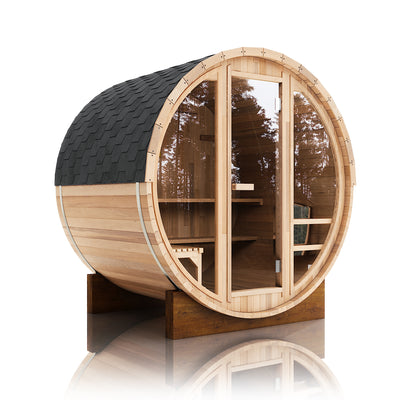
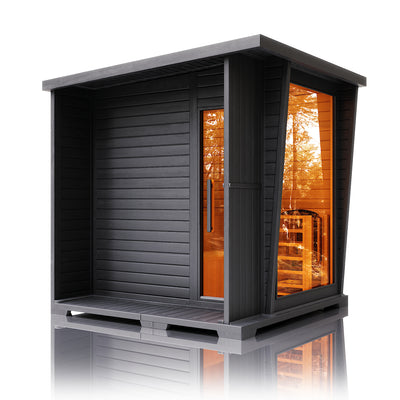
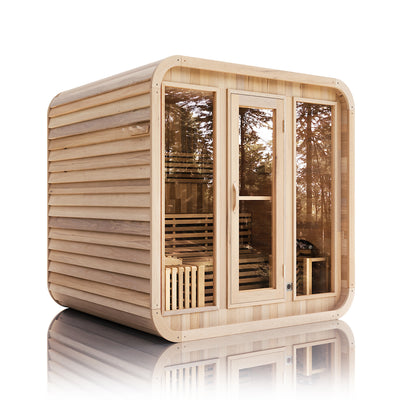
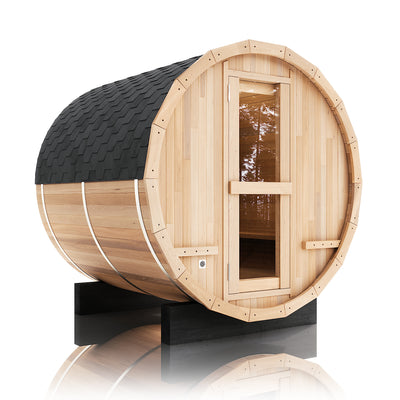
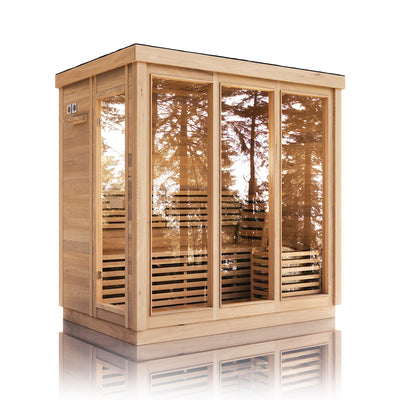
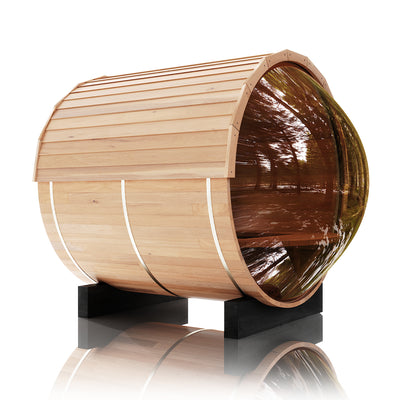


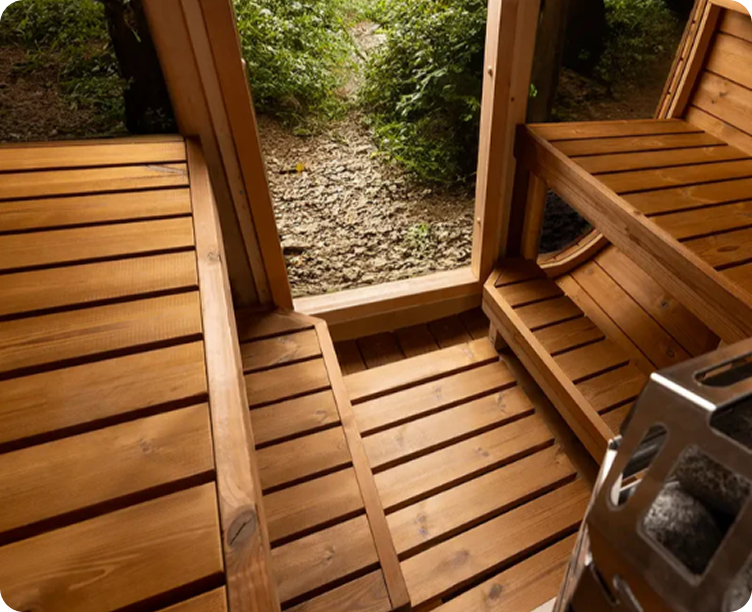
Crafted from rich Hemlock or Red Cedar, with tempered glass and stainless steel accents.
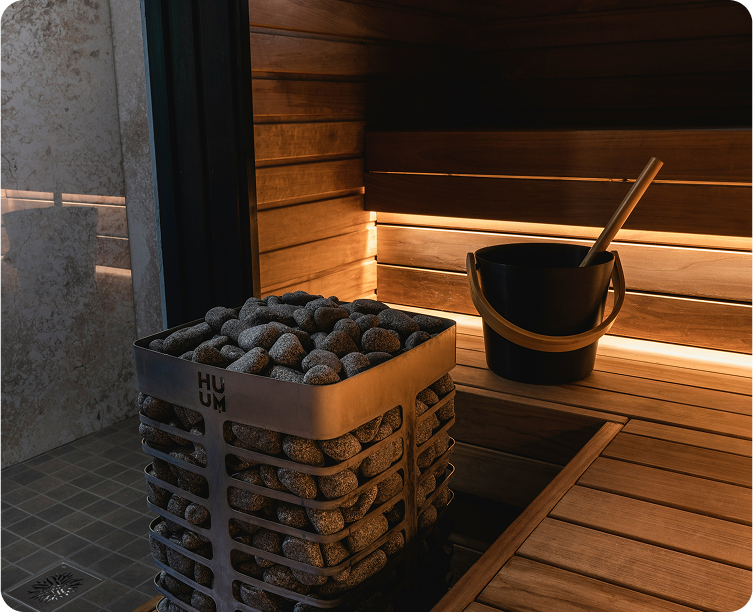
Thoughtfully designed layout ensures efficient heat flow, maximizing comfort, performance, and effortless daily use.

Delivers smooth, even heat throughout, creating a deeply relaxing, reliable sauna experience every session.

Subscribe to our newsletter and get access to exclusive promos & content
